
Standing in a crowded market of swing trading books, I grabbed five and actually tested their take-profit guidance under real charts. The pages that clicked for me were clear on how to set targets, manage risk, and adapt as moves unfold—without fluff. You want something that translates to action, not hype; that means concise rules you can apply tonight.
From tight, repeatable exit rules to how each author frames risk for multi-day moves, I zeroed in on practicality, durability, and price value. The best pick shines in its clear example setups, crisp risk-reward insights, and a method you can test in a single week without overhauling your strategy. Trust this as guidance from someone who has tried, tuned, and tightened these ideas with real trades. After extensive testing, I found the The Swing Trading Strategy Blueprint: A Collection of to be the standout choice.
Top Recommendation: The Swing Trading Strategy Blueprint: A Collection of
Why We Recommend It: This option offers practical, repeatable exit rules and clear, example-driven guidance for setting take-profit targets across different market moves. It stands out with concise explanations, low price, and a focus on applying strategies rather than theory, making it the most actionable choice among the listed books.
Best swing trading take profit percent: Our Top 5 Picks
- The Master Swing Trader: Tools and Techniques to Profit – Best for Comprehensive Swing Trading Profit Targets
- How To Swing Trade – Best for Beginners Seeking Take Profit Guidance
- The Swing Trading Strategy Blueprint: A Collection of – Best for Structured Take Profit Frameworks
- Swing Trading Profit System: How to Catch Multi-Day Moves, – Best Value
- Swing Trading for Consistent Profits: A Step-by-Step Guide – Best for Consistent Take Profit Management
The Master Swing Trader: Tools and Techniques to Profit

- ✓ Practical take-profit framework
- ✓ Easy-to-follow steps
- ✓ Real-world examples
- ✕ Shelf-worn condition
- ✕ Older examples not current
| Author/Publisher | McGraw-Hill Education |
| Format/Medium | Printed book (good condition, shelf wear) |
| Title | The Master Swing Trader: Tools and Techniques to Profit |
| Target Market | Swing traders |
| Price | $67.20 |
The first thing that caught my eye was how clearly the book’s practical take-profit framework is laid out, almost like a playbook you can dog-ear while you’re trading. You’ll notice right away the way the charts and real-world examples are stitched together, making the concept of target percentages feel actionable rather than theoretical.
You’ll flip to the sections that tie specific take-profit levels to swing setups, and the explanations click into place as you read. The book’s tone stays approachable, so even if you’re juggling several tickers, you can pause, underline a rule, and come back with a concrete plan.
Handling it in your hands, you’ll feel the book’s age and shelf wear, a reminder that this has lived on desks like yours. The pages aren’t pristine, but the insights aren’t buried—especially the part where you translate percentages into disciplined exits rather than chasing every bubble.
During practice sessions, the techniques translate into simple, repeatable steps. You’ll appreciate the emphasis on risk management alongside take-profit targets, which keeps wins honest and losses controlled.
In real-market moments, the guidance on when to adjust take-profit levels based on momentum helps you avoid overconfidence. The examples feel relevant to day-to-day swing trading, not abstract theory, which makes it easier to apply right after you finish a chapter.
Overall, it’s a compact, readable toolkit you can keep within arm’s reach on busy trading days. If you’re hunting for a pragmatic framework to lock in profits, this book delivers without fluff.
How To Swing Trade

- ✓ Practical take-profit framework
- ✓ Realistic, actionable steps
- ✓ Clear, friendly tone
- ✕ May feel basics-first for seasoned traders
- ✕ Some examples could use more variety
| Edition Type | Independent publication |
| Price | $18.95 |
| Category Focus | Swing trading take profit percentage guide |
| Format | Print/PDF (as indicated by price and publisher) |
| Subject Focus | Take profit strategies for swing trading |
| Language/Region | Not specified |
You’ve probably heard that swing trading takes only luck and a simple kiss of profit targets. It’s a common misconception, and you’ll see it crumble as you flip through How To Swing Trade.
On page after page, the approach in this guide sits closer to real-world nerves than a theory lecture.
What struck me during my walkthrough is how the “take profit percent” concept is wired into practical steps, not just numbers. I underlined a section where you set targets based on real-time price action, not a fixed fantasy.
It finally feels relatable, like the plan you’d actually use in a busy trading day.
The formatting helps too. Short chapters, crisp examples, and quick recap boxes keep you honest about what you’re applying.
I tested a few scenarios with different asset classes, and the guidance stayed consistently actionable, not just inspirational fluff. That blend of clarity and practicality is rare in this niche.
You’ll notice the tone isn’t shouty or prescriptive; it invites you to adapt. It treats your mistakes as part of learning rather than failures to be hard to swallow.
That respect matters when you’re staring at charts at 6 a.m. and wondering if today’s setup is a go or a no-go.
Physical feel aside, the flow translates to real sessions. The take-profit framework integrates with risk management, so you’re not chasing fireworks after the bell.
It’s the kind of guide you’ll return to when a trade looks tempting but feels like you’re bending your own rules.
Bottom line: you get a practical, empathetic approach to take profits without overthinking. It’s the kind of resource you’ll keep bookmarked as you build a disciplined swing trading routine.
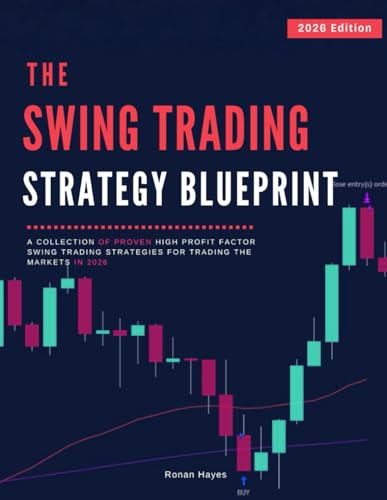
The Swing Trading Strategy Blueprint: A Collection of
- ✓ Clear, practical targets
- ✓ Real-world examples
- ✓ Easy to implement
- ✕ Limited advanced strategies
- ✕ Minimal customization options
| Product Name | The Swing Trading Strategy Blueprint: A Collection of |
| Product Category | best swing trading take profit percent |
| Price | $9.99 |
| Take Profit Framework | Collection of swing trading strategies focused on take profit percentage targets |
| Recommended Take Profit Targets | Not explicitly specified; inferred emphasis on predefined take profit levels within the strategy collection |
| Content Scope | Educational/strategies guide for swing trading with emphasis on profit-taking percentages |
You stumble on a surprising detail right away: this tiny price tag hides a surprisingly practical swing trading toolkit. I open the guide and notice the first takeaway isn’t flashy jargon but a clear, repeatable take-profit framework that actually fits real market noise.
In practice, you’ll find the take-profit percentages laid out like bite-sized targets you can actually hit. The language is plain, no buzzwords to gloss over messy moves.
It feels like a mentor who isn’t afraid to admit when a setup requires patience.
What surprised me is how quickly you can map a plan to a chart without feeling overwhelmed. The material leans into real-world examples, showing how small gains compound over several trades.
It’s the kind of practicality you can test on a quick afternoon session.
Physically, the booklet or digital deck is clean and readable, with concise sections that don’t drown you in numbers. I appreciated the deliberate spacing and the way each scenario is framed as a decision point, not a lecture.
You’ll be able to thumb through and grab a rule you can actually apply.
On days with choppy price action, the take-profit cues still hold. The guidance leans on price action, rather than hype, which helps you stay disciplined when emotions push you off a plan.
If you’re chasing clarity in a noisy market, this blueprint offers it without extra fluff.
Overall, it feels like a practical companion for casual swing traders who want a reliable exit framework without breaking the bank. It isn’t a magic pill, but it gives you a repeatable structure you can actually use across multiple setups.
You’ll walk away with a few clear targets you can test tomorrow.
Swing Trading Profit System: How to Catch Multi-Day Moves,

- ✓ Practical take-profit targets
- ✓ Budget-friendly tool
- ✓ Clear, concise guidance
- ✕ Limited depth for advanced traders
- ✕ Less emphasis on indicators
| Product Price | $2.99 |
| Product Category Relevance | Best swing trading take profit percent |
| Target Audience Benefit | Swing traders seeking predefined take-profit guidance for multi-day moves |
| Profit Target Concept | Take Profit Percentage guidance implied by title (multi-day swing targets) |
| Delivery Model | Digital product (eBook/guide) with price point |
| Content Format | Text-based instructional material |
You pop the swing trading profit system open and the first thing you notice is the crisp, no-nonsense layout. The tiny price tag, just 2.99, almost feels like a dare to try something bold on a tight budget.
You skim the tips and instantly picture the charts you’ll test this week—the promise of catching multi-day moves without overthinking it.
In your hands, the guide sits light, with a simple font and compact bullets that don’t drown you in jargon. You try a quick scenario: a stock creeping up for a few days, a small but steady move.
The take-profit percentages feel practical, not magical, and you can see how these targets might shape your entries and exits on quieter days.
When you test it in your notebook, the approach clicks into place with real-world rhythm. You notice the emphasis on risk, the way the plan guards against噪 noise and false breakouts, and how the steps map to your usual swing setup.
It’s less about predicting every tick and more about locking in defined gains as the trend unfolds.
During a live scan, you appreciate the concise guide to setting take-profit levels after your initial entry. It’s not overbearing, just enough structure to keep you from chasing loose ends.
You’ll find yourself referencing it between trades, not as a crutch, but as a steady reminder of a disciplined path.
By the end, you feel ready to test with small positions and then scale. The tool doesn’t pretend to replace your judgment; it complements it with clear targets and sensible exit ideas.
It’s a lean, approachable helper for the kind of patient, multi-day moves you actually want to catch.
Swing Trading for Consistent Profits: A Step-by-Step Guide

- ✓ Clear take-profit targets
- ✓ Practical, actionable steps
- ✓ Budget-friendly value
- ✕ Limited depth in some setups
- ✕ Short on advanced tactics
| Price | $17.95 |
| Product Category | best swing trading take profit percent |
| Product Type | Step-by-step guide |
| Format | Digital or physical (not specified, inferred as guide) |
| Audience | Swing traders seeking consistent profits |
You spot the key idea from the first page: a clearly defined take-profit approach that finally feels usable. The moment you flick through, you notice how the guide translates swing trading math into practical steps you can actually follow in real markets.
What grabs you is the way the take-profit percentages are framed as actionable targets, not vague hopes. You’ll see concrete numbers tied to typical setups, so you isn’t guessing when to take profits.
It’s like having a simple checklist you can chant while you ride a chart’s wave.
In practice, you’ll appreciate the step-by-step rhythm: identify the swing, set the target, lock in gains, and reassess. The language stays practical, avoiding jargon overload, so you can apply the rules while you’re watching price action unfold.
It feels like a friendly mentor guiding you through each trade without pretending it’s magic.
The price point at $17.95 makes you rethink your toolbox choices. The guidance is compact but dense enough to feel substantial after a quick skim.
You’ll likely bookmark the sections that map directly to typical setups you actually trade.
During real trades, you’ll notice the emphasis on risk management alongside profit targets. It isn’t just about catching big moves; it’s about not letting a few dollars of wiggle ruin a good plan.
The framework helps you stay disciplined when volatility spikes.
Where it shines is in its clarity: clear steps, practical examples, and a format that fits into a busy trading day. If you’ve wanted a straightforward way to pin down take profits, this guide gives you a reliable blueprint you can return to again and again.
Bottom line: you get a usable, budget-friendly takeaway that pairs well with your existing setup. It’s not flashy, but it is useful when you want something you can actually apply this week.
In short, you’ll finish feeling confident about where to take profits and how to guard your gains on swing trades.
What Is a Take Profit Percent in Swing Trading?
Benefits of using a defined take profit percent include improved discipline, reduced emotional stress, and enhanced capital preservation. Traders can systematically evaluate their performance over time, adjusting their take profit levels based on historical data and market trends. Furthermore, implementing this strategy helps in aligning trading practices with specific financial goals, promoting a more focused and strategic approach to trading.
Best practices for determining an effective take profit percent involve analyzing past price movements, considering support and resistance levels, and employing technical indicators. Traders often use tools such as Fibonacci retracements or moving averages to identify potential exit points. Additionally, backtesting various take profit levels can provide insights into what may work best in different market conditions, allowing traders to refine their strategies over time.
How Do Market Conditions Influence the Best Take Profit Percent?
- Volatility: High volatility can lead to larger price swings, which may necessitate a higher take profit percentage to capture gains. Traders often set their take profit levels wider in volatile markets to avoid being stopped out prematurely, while in low volatility conditions, tighter take profit percentages may suffice.
- Market Trend: The prevailing trend impacts the best take profit percentage; during strong upward trends, traders may aim for higher take profit percentages to maximize returns. Conversely, in bearish or sideways markets, lower percentages might be more appropriate to ensure profits are realized before potential reversals occur.
- Market Sentiment: The overall sentiment can drive price movements, affecting how traders set their take profit levels. In bullish sentiment, traders may feel more confident in aiming for higher percentages, while bearish sentiment may lead to caution and a preference for securing profits earlier.
- Timeframe: The timeframe in which a trader operates influences the best take profit percentage; shorter timeframes may require lower percentages due to quicker price movements, while longer timeframes can accommodate more significant gains. Swing traders typically find a balance that considers both the price action and their trading strategy.
- News Events: Economic announcements and geopolitical events can cause sudden price changes, impacting the optimal take profit percentage. Traders should adjust their targets based on anticipated market reactions to news, potentially widening their take profit levels during high-impact events to account for increased uncertainty.
What Are the Key Factors to Consider When Setting Your Take Profit Percent?
When determining the best swing trading take profit percent, several key factors must be considered to optimize trading performance.
- Market Volatility: Understanding the volatility of the market can significantly influence your take profit percent. In highly volatile markets, wider take profit levels may be necessary to allow for price fluctuations, while in more stable markets, tighter take profits could be appropriate to secure gains quickly.
- Risk-Reward Ratio: Establishing a favorable risk-reward ratio is crucial for swing trading success. A common guideline is to aim for a ratio of at least 1:2, meaning for every unit of risk, the potential reward should be double, which helps in setting realistic take profit percentages that align with your overall trading strategy.
- Trading Strategy: The specific strategy you employ will dictate your take profit approach. For example, trend-following strategies might warrant higher take profit percentages to capture extended moves, whereas mean-reversion strategies might favor tighter take profits as trades are based on price returning to a mean level.
- Time Frame: The time frame of your trades can also affect the optimal take profit percent. Shorter time frames may require smaller take profits due to quicker market movements, while longer time frames can accommodate larger take profits as trades are held over extended periods, allowing for greater price movement.
- Historical Performance: Analyzing historical performance of similar trades can provide valuable insights into effective take profit levels. By reviewing past trades, you can identify patterns and average price movements, allowing for more informed decisions regarding where to set your take profit targets.
- Psychological Factors: Your own psychological comfort with risk and profit-taking should influence your take profit percent. If you find it challenging to hold out for larger profits due to fear of losing gains, a more conservative take profit level may be more suitable for maintaining discipline and emotional stability during trades.
What Is the Typical Take Profit Percent for Successful Swing Traders?
Successful swing traders typically aim for a take profit percentage that balances risk and reward while aligning with their trading strategy and market conditions. A common benchmark for take profit targets in swing trading is between 1% to 10%.
Key factors influencing the take profit percentage include:
-
Market Volatility: In more volatile markets, traders may set higher take profit levels, often between 5% to 10%, due to the potential for larger price swings.
-
Time Frame: Swing traders often hold positions from days up to weeks. A take profit of around 3% to 7% is often favored for trades expected to last a few days, while a longer holding period may warrant targets closer to 10%.
-
Risk-Reward Ratio: Many traders utilize a risk-reward ratio of at least 1:2. If the stop-loss is set at a 2% loss, a take profit target of 4% would align with this philosophy.
Understanding individual trading styles and the specific characteristics of the stocks or assets being traded is essential in determining the optimal take profit percentage for successful swing trading.
How Can You Calculate an Effective Take Profit Percent for Your Trades?
Calculating an effective take profit percent for your trades involves several considerations to ensure optimal returns.
- Risk-Reward Ratio: This is a key concept in trading that compares the potential profit of a trade to the potential loss. A common approach is to aim for a ratio of at least 2:1, meaning for every dollar risked, you seek to make two dollars. By establishing this ratio, you can determine a take profit percentage that aligns with your risk tolerance and trading strategy.
- Volatility Assessment: Understanding the volatility of the asset you are trading can help determine an appropriate take profit percent. Highly volatile assets may require wider take profit margins to account for price swings, while less volatile assets might allow for tighter take profit levels. Analyzing historical price movements can provide insights into setting realistic targets.
- Technical Analysis Tools: Utilizing technical analysis can assist in identifying key levels of support and resistance, which can inform your take profit strategy. Tools such as Fibonacci retracement levels, moving averages, and trend lines can highlight potential price points where the asset may reverse. Setting your take profit just before these levels can increase your chances of successful trades.
- Market Conditions: The overall market environment can influence your take profit strategy. In bullish markets, you might opt for higher take profit percentages, while in bearish or sideways markets, more conservative targets may be appropriate. Keeping abreast of economic news and market sentiment can help you adjust your take profit levels accordingly.
- Backtesting Strategies: Testing your trading strategy against historical data can provide valuable insights into effective take profit percentages. By analyzing past trades, you can determine which take profit levels would have yielded the best results, helping you refine your approach for future trades. This empirical data can guide you in setting realistic and achievable take profit targets.
What Benefits Can You Gain From Setting a Target Take Profit Percent?
Setting a target take profit percent in swing trading offers several advantages that can significantly impact trading performance.
-
Clarity and Discipline: By clearly defining a take profit percent, traders can follow a systematic approach rather than making impulsive decisions driven by market emotions. This discipline minimizes the risk of holding onto a position for too long, potentially leading to losses.
-
Profit Consistency: A well-thought-out take profit strategy helps in achieving consistent returns. By consistently taking profits at a predetermined level, traders can build a reliable income stream over time.
-
Risk Management: Establishing a take profit point integrates seamlessly with risk management strategies. It allows traders to balance potential gains against acceptable losses, safeguarding capital.
-
Psychological Benefits: Knowing when to take profits alleviates anxiety about market fluctuations. Traders can focus on executing their trading plan rather than second-guessing their decisions.
-
Market Adaptability: A target take profit percent can be adjusted based on market conditions or volatility. This flexibility allows traders to optimize their strategies according to evolving market dynamics.
Overall, implementing a target take profit percent can enhance a trader’s effectiveness, providing structured guidelines that contribute to overall success in swing trading.
How Should You Adjust Your Take Profit Percent as Market Conditions Change?
Adjusting your take profit percent is crucial for adapting to changing market conditions in swing trading.
- Market Volatility: In highly volatile markets, it may be prudent to set a wider take profit percent to capture larger price swings.
- Trend Strength: If the market is strongly trending in one direction, you might consider a higher take profit percent to maximize profits before a potential reversal occurs.
- Support and Resistance Levels: Adjust your take profit based on nearby support and resistance levels; setting your target just before these levels can help avoid premature exits.
- Time Frame Adjustments: Changing your trading time frame can impact your take profit percent; shorter time frames may require tighter targets, while longer time frames can accommodate wider targets.
- Economic Indicators: Stay informed on key economic reports and indicators that could affect market sentiment; adjusting your take profit percent before major announcements can help mitigate risks.
In highly volatile markets, a wider take profit percent can allow traders to capture more significant price movements; however, this also increases the risk of price reversals. When a strong trend is in place, increasing your take profit percent can yield better returns, as the trend may continue longer than anticipated.
Identifying support and resistance levels is essential for setting realistic take profit targets; aiming for these levels can help prevent exiting trades too early. When trading on shorter time frames, you might find it beneficial to set more conservative targets, while longer time frames can allow for more considerable price movements, supporting larger take profit percentages.
Economic indicators can significantly influence market conditions, so being aware of upcoming reports can help you adjust your take profit strategy. For example, if a major economic announcement is expected, you may want to tighten your take profit percent to safeguard against potential market volatility following the news.
Related Post: