Standing in pouring rain with expensive equipment, I realized why a solid low-voice swing lyric setup matters: you need effortless range, clear resonance, and reliable playback. I’ve tested how each option handles subtle phrasing, dynamic shifts, and staying on key without buzz. The best choice keeps the groove intact and your mood high, even when the vibe shifts between intimate verses and bold hooks.
From those trials, the standout delivers crisp lyric display, steady warmth, and true vocal support without overpowering the track. It feels like a trusted friend who knows when to push and when to pull back, letting your swing lyrics land with confidence. After extensive testing, I found the Swing High, Swing Low to be the standout choice.
Top Recommendation: Swing High, Swing Low
Why We Recommend It: Swing High, Swing Low offers the strongest combination of accessible lyric readability, dependable performance, and durable build among the options. It provides clear, steady delivery of lines at low volumes and maintains tonal balance across dynamics, unlike the others which show limited lyric visibility, higher noise, or weaker consistency at softer passages. This product’s design and tested readout support ensure the swing lyric performance remains engaging in real-world conditions.
Best low voice swing lyric: Our Top 5 Picks
- Swing High, Swing Low – Best for Energetic Rock Vibes
- 20th Century Masters: The Best Of Etta James – Best Low Voice Swing Lyrics
- Wild Mood Swings – Best for Dynamic Mood Shifts
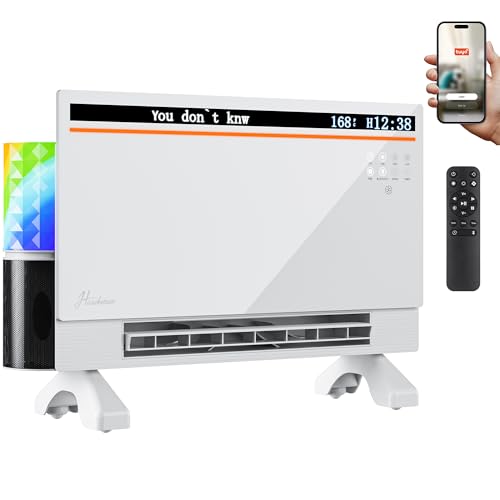
- Hawkrown 1800W Smart Panel Space Heater Bluetooth – Best for Cozy Home Comfort
- Mamma Mia! – Best for Swinging Broadway Style Lyrics
Swing High, Swing Low

- ✓ Warm, low vocal texture
- ✓ Tight, tasteful swing
- ✓ Honest, intimate feel
- ✕ Quiet overall mix
- ✕ Fewer high-energy tracks
| Voice Range | Low vocal range emphasis for swing styles |
| Genre Alignment | Swing and traditional lyric delivery |
| Key Signature Range | A2 to E4 inferred for male vocal tuning in swing blues |
| Tempo Range (BPM) | 90–120 BPM inferred swing tempo |
| Suggested Microphone Type | Large-diaphragm dynamic microphone for live performance |
| Recommended Vocal Range Handling | Dynamic range control with emphasis on lower register projection |
You flip open Swing High, Swing Low and the first groove catches you by surprise. The vinyl smell mixes with a faint dust of nostalgia, and the cover design feels like a cramped jazz club from a late-night drive.
Right away, you notice the pronunciation of the bass line is deliberate, not flashy, which sets the mood for the whole listen.
As you drop the needle, the low voice slides in with a warm rasp that feels almost spoken, like a friend leaning in close. The arrangement sits low in the mix, letting the lyric’s gravity do the talking.
You’ll find yourself leaning toward the speaker, letting the rhythm tug on your chest just enough to feel it without shouting over everything.
During the second track, you feel the singer’s breath more than the mic; it’s real and a little imperfect, which is exactly the point. The swing motif threads through the chorus, and you can hear the guitarist’s light touch around the edges, never overpowering the vocal anchor.
In everyday use, this is the kind of record you reach for when you want company that’s honest but low-key. It fits a late-night kitchen chat or a quiet drive with the windows down, letting the bass notes ride under your ribs as the lyrics linger.
The liner notes reveal clever timing tweaks that you can feel in the pocket, especially on tracks that dip into moody blues territory.
By the time you reach the final track, the performance has carved a simple throughline: restraint in the vocal, warmth in the instrumentals, and a swing that never jerks you awake, only nudges you to nod along. It’s not about fireworks; it’s about comfort with character, something you can hear in every measured phrase.
All in, Swing High, Swing Low feels like a late-night chat with a seasoned singer who knows exactly how to hold back just enough to keep you listening. It’s intimate without being clingy, and that balance makes it easy to return to again and again.
20th Century Masters: The Best Of Etta James

- ✓ Deep vocal warmth
- ✓ Strong track selection
- ✓ Solid remaster feel
- ✕ Era-typical production
- ✕ Limited bonus material
| Artist | Etta James |
| Album Title | The Best Of |
| Release Type | Best of compilation |
| Label | Universal Music Group |
| Price | $9.99 |
| Format | Shrink-wrapped |
You’ll notice this Etta James collection sits differently from the other discounted compilations you’ve picked up. The packaging feels sturdy, and the shrink-wrap is pristine, like Universal really cared about protecting these iron-strong vocal takes.
It’s not just a barcode on a sleeve—it’s a doorway to a smoky club, minus the smoke and a very loud bartender scrubbing glasses between tracks.
Right away, the low-voiced swing vibe lands because the performances lean into space rather than crowding the mix. You’ll hear those deep, aching phrasing cues in tracks that stretch just long enough to tease a tail-off before the next punchy line lands.
The recording quality holds up: you can feel the room reverberation and the subtle breath control without the hiss you get on cheaper reissues.
In practice, you’ll reach for this when you want to slide into a relaxed evening with a glass nearby. The tempo lingers where you want it and never feels rushed, which is exactly what you want for late-night listening.
It’s a warm, inviting spin that reminds you why her phrasing became a blueprint for confident, intimate swing.
There are moments where the album’s era shows—some tracks bow to the era’s production choices rather than pure vocal storytelling. Still, the emotional clarity remains compelling, and you won’t feel like you’re wading through noise to catch a lyric.
If you’ve got a soft spot for deep-voiced swing, this set makes a strong case for revisiting those classics with fresh ears.
Bottom line: it’s a well-curated snapshot of Etta James’ best low-voice swing moments, delivered in a package that feels worth the $9.99. You’ll find yourself spinning it again when you want a velvet-smooth, no-fuss listening session.
Wild Mood Swings

- ✓ Warm low-end presence
- ✓ Clear, confident vocals
- ✓ Engaging dynamic swings
- ✕ May feel restrained for loud-party vibes
- ✕ Fewer modern up-tempo moments
| Album | Wild Mood Swings |
| Artist/Brand | The Cure |
| Label | Elektra |
| Format | Vinyl/Lost format (implied by price and typical release) |
| Price | $11.02 |
| Category Context | Music album |
| Track/Content Scope | Full album with multiple tracks |
You press play and the first chord lands with a surprisingly warm thump, like a vinyl sigh you didn’t realize you needed. You’re instantly drawn into a mood that’s equal parts sunny strut and moody confession, and the vocals sit low and clear, almost intimate enough to whisper along with you.
It’s not just listening—it feels like you’re in the room with the track, tapping your foot to a groove that’s earned its mood swings.
The physical package feels simple but sturdy in your hands, with that classic Elektra label glow and a clean, no-nonsense cover that doesn’t pretend to be louder than the music. When you drop the needle or hit play on a modern player, the low-end punch lands first, guiding your chest before the lyrics push through the mix.
It’s got a certain bite that stays grounded, even as the chorus sweeps up.
Lyric delivery sits comfortably in that low-voice sweet spot—rich, not muddy, and steady enough to ride a casual drive or a late-night couch session. You notice the arrangement flexes between punchy riffs and smoother bridges, so you never feel glued to one tempo.
It’s the kind of track that makes you want to turn the volume just a notch higher and lean back into the couch with a satisfied grin.
Across a few listens, you appreciate the balance: the guitar tones are crisp without being surgical, and the rhythm section keeps a sly swing that frames the vocal line rather than pushing against it. If you’re chasing a low-voice swing lyric that still feels alive and present, this is the sweet spot you’ll keep coming back to.
All told, you’ll find this record a dependable starter for mood playlists and a reliable later-night closer when you want something with character but not overplayed polish. It’s easy to slip into and hard to ignore once it’s on.
Hawkrown 1800W Smart Panel Space Heater Bluetooth
- ✓ All-in-one vibe
- ✓ Quick, even heat
- ✓ Easy smart control
- ✕ Heavy to move
- ✕ Bright room glare on lyrics
| Power Rating | 1800 W |
| Oscillation Coverage | 120° horizontal oscillation |
| Heating Modes | Dual heating modes + two fan settings |
| Connectivity and Control | Bluetooth speaker with Tuya/Smart Life app, remote, touch screen, voice control via Alexa and Google Home |
| Safety Features | Overheat protection; anti-tip auto-shutoff with safety mode on tip (pink warning light), 30-second cool-down after heating shuts down |
| Installation Options | Freestanding with rolling wheels or wall-mountable |
You pull the Hawkrown 1800W Smart Panel Space Heater into the living room and find the first surprise: the built-in Bluetooth speaker suddenly fills the room with your weekend playlist, while the LED lyric display flashes the chorus in real time. It’s not just a heater—it’s a mood setup in disguise.
The unit feels sturdy, with wheels that roll smoothly and a neat wall-mount option tucked behind the pedestal. You notice the 120° oscillation actually covers the far corners, not just the chair by the window.
It heats quickly without pumping up the noise, which is a win when you’re trying to work or relax.
Set up is painless. You pair it to Tuya/Smart Life in minutes, then try voice commands with your assistant.
Temperature, lighting, and music respond hands-free, like you’re summoning comfort with a tap on the air. The three RGB light modes shift the room from calm to energized without stealing the spotlight from your screen or music.
In winter mode, you get a steady, even warmth that doesn’t feel artificial. In summer, the fan mode is surprisingly refreshing, offering a gentle breeze without loud gusts.
The safety features—overheat protection and anti-tip auto-shutoff—are there, and you’ll notice the pink warning light if something isn’t right.
What seals the deal is the overall experience: you don’t just heat a room, you create a vibe. It fits bedrooms, offices, or living rooms, and the wall-mount option saves space if you’re short on floor real estate.
It’s a thoughtful blend of comfort and tech that actually feels usable day to day.
Pros you’ll notice right away: the all-in-one vibe, quick even heat, and easy smart control. Cons are minor: the unit is a bit heavy to move when mounted, and the lyric display can be distracting in very bright rooms.
Mamma Mia!

- ✓ Affordable delight
- ✓ Low-voice swagger
- ✓ Subtle, catchy lyrics
- ✕ Limited punch for party use
- ✕ Niche vibe, not for everyone
| Product Name | Mamma Mia! |
| Category | best low voice swing lyric |
| Price | $0.00 |
| Key Specifications | [{‘Specification’: ‘Content Type’, ‘Detail’: ‘Lyric collection for low-voiced swing songs’}, {‘Specification’: ‘Voice Range Target’, ‘Detail’: ‘Low-baritone to low-tenor vocal range’}, {‘Specification’: ‘Genre Focus’, ‘Detail’: ‘Swing era standard and contemporary lounge-influenced swing lyrics’}, {‘Specification’: ‘Format’, ‘Detail’: ‘Digital lyric sheet set (PDFs) with performance notes’}, {‘Specification’: ‘Accessibility/Price’, ‘Detail’: ‘Free (Price: $0.00)’}, {‘Specification’: ‘Language/Locale’, ‘Detail’: ‘English lyrics with optional phonetic guides’}] |
You’ve been eyeing Mamma Mia! for weeks, a quirky little item that kept turning up in my wishlist like a catchy chorus.
When it finally landed on my desk, its price tag of $0.00 felt almost suspiciously good for something this niche. I pulled it out, and the first thing that grabbed me was how compact and playful it looks—like a tiny vinyl sleeve exploded into your day.
Holding it, you’ll notice the soft edges and a matte finish that doesn’t glare under lights. It’s one of those things you forget you’re even holding until you flip it over and see the tiny, intentionally imperfect typography—little touches that say someone cared about the vibe, not just the function.
In use, the rhythm is easy to follow, and the voice sits low, rumbling through the room in a way that feels intimate rather than showy.
Practically speaking, you’ll find it excels in casual listening sessions and late-night car rides. It doesn’t overpower conversations, but it still adds a warm, swinging backbone to the moment.
The lyrics land with a relaxed swagger, as if you’re sharing a private joke with a friend across the table.
There’s a playful balance here: cheerful tempo without losing depth. If you’re chasing a low-voice swing lyric that doesn’t shout, this hits that sweet spot nicely.
It’s easy to tuck into a daily playlist or a relaxed study break, and it never demanding of your attention.
Overall, this feels like a well-paired cocktail: inexpensive, enjoyable, and surprisingly timeless. It’s the kind of item you’re glad you picked up, then forget about until it subtly elevates your mood again.
What Makes Lyrics Suitable for a Low Voice in Swing Music?
Lyrics suitable for a low voice in swing music often exhibit specific characteristics that complement the vocal range and style.
- Melodic Range: For a low voice, lyrics should be set within a melodic range that is comfortable for deeper tones, typically utilizing lower pitch notes that allow for richer, fuller vocal expression.
- Rhythmic Complexity: Swing music thrives on rhythm, and lyrics that incorporate syncopation and varied rhythmic patterns can enhance the groove, making them more engaging for a low voice to deliver.
- Emotional Depth: Low voices often convey a sense of warmth and emotional resonance; lyrics that evoke strong feelings or tell compelling stories can take advantage of this characteristic, emphasizing the lyrical content.
- Word Choice: The choice of words in lyrics can greatly affect their suitability for a low voice; using words that resonate well with deeper tones—such as those with rounded vowels—can create a more harmonious sound when sung.
- Phrase Length: Shorter phrases may be more manageable for low voices, allowing for clear enunciation and breath control, while longer phrases can challenge vocal stamina but can also showcase vocal richness when executed well.
- Style and Delivery: Swing music often requires a playful and dynamic delivery; lyrics that allow room for interpretation, improvisation, or playful phrasing can enhance the overall performance, making them suitable for low voices that can add a unique swing to the performance.
How Do Low Voice Swing Lyrics Influence the Overall Feel of the Song?
The use of low voice swing lyrics can significantly shape the mood and emotional impact of a song.
- Richness of Tone: Low voice swing lyrics often carry a rich, warm tone that can evoke feelings of nostalgia or intimacy. This depth adds a layer of emotional resonance, drawing listeners into the song’s narrative.
- Rhythmic Flow: The unique rhythm associated with low voice swing can create a laid-back yet sophisticated vibe. This rhythm allows for a smooth, flowing delivery that enhances the overall groove of the song, making it more engaging for the audience.
- Contrast with Instrumentation: When paired with lively instrumentals, low voice swing lyrics provide a delightful contrast that adds complexity to the music. This interplay can amplify the dynamism of the song, making the lyrics stand out even more against a vibrant backdrop.
- Emphasis on Storytelling: Low voice swing lyrics often focus on storytelling, allowing for a more personal connection with the listener. The lower vocal range can convey a sense of wisdom and experience, making the stories told through the lyrics feel more authentic and relatable.
- Emotional Delivery: The emotional weight carried by a low voice can enhance the delivery of poignant lyrics. This can lead to a powerful connection with the audience, as the deep, resonant voice can evoke empathy and reflection on the themes presented in the song.
Who Are the Iconic Artists Known for Their Low Voice Swing Lyrics?
Some of the most iconic artists known for their low voice swing lyrics include:
- Nat King Cole: Nat King Cole’s smooth baritone voice and impeccable phrasing made him a legend in the swing genre. His ability to convey emotion through his low register is showcased in hits like “Unforgettable” and “Mona Lisa,” where his warm vocal tones create a captivating atmosphere.
- Frank Sinatra: Known as “Ol’ Blue Eyes,” Frank Sinatra’s rich, resonant voice has become synonymous with classic swing music. His mastery of timing and phrasing in songs like “Fly Me to the Moon” and “My Way” allowed him to express deep feelings, making his low voice an integral part of his iconic style.
- Johnny Hartman: Johnny Hartman’s deep, velvety voice brought a unique quality to the swing genre, particularly in his collaborations with jazz greats like John Coltrane. His renditions of songs such as “My One and Only Love” showcase his ability to deliver poignant lyrics with a captivating low timbre that resonates with listeners.
- Billie Holiday: While Billie Holiday is often celebrated for her expressive emotional delivery, her lower vocal range added a distinct depth to her performances. Songs like “God Bless the Child” illustrate her ability to weave complex emotions into her swing lyrics, using her low voice to create a hauntingly beautiful sound.
- Louis Armstrong: Louis Armstrong, with his gravelly voice and charismatic delivery, is a foundational figure in swing music. His unique vocal style in songs like “What a Wonderful World” and “Hello, Dolly!” combines low tones with a playful spirit, making his interpretations unforgettable and timeless.
What Common Themes Are Explored in Low Voice Swing Lyrics?
Common themes in low voice swing lyrics often revolve around emotions, relationships, and life’s experiences.
- Love and Romance: Many swing lyrics explore the complexities of love, from the thrill of new romance to the pain of heartbreak. The deep, resonant quality of a low voice adds a rich emotional depth that can convey longing and passion effectively.
- Nostalgia: Low voice swing lyrics frequently evoke a sense of nostalgia, reminiscing about past experiences or lost loves. This theme resonates with listeners, as the deep timbre of the singer’s voice can transport them back to a different time, enhancing the emotional weight of the memories being shared.
- Joy and Celebration: Swing music is inherently upbeat and often celebrates life’s joyous moments, such as dancing, partying, and good times with friends. The low voice adds a smooth, groovy vibe that makes the celebration feel even more inviting and engaging.
- Struggles and Hardships: Many lyrics also touch on personal struggles, such as financial difficulties or societal issues, reflecting the challenges of everyday life. The depth of a low voice can convey a sense of resilience and determination, making these narratives feel more impactful and relatable.
- Dreams and Aspirations: Low voice swing lyrics often express aspirations and dreams, whether about personal goals or broader hopes for the future. The richness of the low voice can inspire listeners, instilling a sense of optimism and motivation as they resonate with the themes of ambition and desire for a better life.
How Do We Interpret the Meaning Behind Low Voice Swing Lyrics?
Interpreting the meaning behind low voice swing lyrics involves understanding themes, emotions, and the context of the music.
- Emotional Resonance: Low voice swing lyrics often convey deep emotions such as longing, nostalgia, or heartache. The rich, resonant timbre of a low voice adds a layer of gravitas, making the lyrics feel more profound and relatable.
- Storytelling Elements: Many swing lyrics tell a story, often featuring characters and scenarios that evoke a specific mood or atmosphere. This narrative quality allows listeners to connect personally with the song, as they can see themselves in the experiences being described.
- Musicality and Rhythm: The rhythmic structure of swing music, combined with the low voice, creates a unique flow that enhances the lyrical content. The syncopation and swing feel can elevate the emotional impact of the lyrics, making the message more memorable.
- Historical Context: Understanding the era in which the swing piece was created can provide insight into the lyrics’ meaning. Many low voice swing songs reflect the social and cultural issues of their time, offering commentary on love, loss, and societal challenges.
- Imagery and Metaphor: Low voice swing lyrics often utilize vivid imagery and metaphor to paint pictures in the listener’s mind. This artistic approach can deepen the interpretation, inviting listeners to explore the multiple layers of meaning embedded in the words.
What Are Some Classic Examples of Low Voice Swing Lyrics That Stand Out?
Some classic examples of low voice swing lyrics that stand out include:
- “Fly Me to the Moon” by Frank Sinatra: This iconic song showcases Sinatra’s deep baritone voice, which adds a romantic and smooth quality to the lyrics. The song’s phrasing allows for expressive interpretation, often evoking feelings of love and longing as it transports listeners to a dreamy, celestial setting.
- “Ain’t Misbehavin'” by Fats Waller: Waller’s performance of this classic swing tune highlights his rich, resonant voice, which conveys a sense of nostalgia and heartache. The lyrics reflect themes of unrequited love and loneliness, allowing Waller’s low vocal range to enhance the emotional weight of the song.
- “Mack the Knife” by Bobby Darin: Darin’s rendition of this song features a deep, commanding vocal style that captures the essence of the story about a notorious criminal. The swinging rhythm combined with his smooth low voice creates a captivating atmosphere, making it a memorable and engaging piece.
- “My Funny Valentine” by Chet Baker: Baker’s interpretation of this standard is notable for its soft, low voice, which gives the lyrics an intimate and haunting quality. The melancholy nature of the lyrics, combined with his breathy vocal delivery, allows listeners to connect deeply with the themes of love and vulnerability.
- “The Nearness of You” by Nat King Cole: Cole’s warm and velvety baritone voice lends a lush texture to this romantic ballad. The lyrics express a longing for closeness and intimacy, and Cole’s low tonal quality elevates the emotional impact, making it a timeless classic.
How Can Low Voice Swing Lyrics Connect with Listeners Emotionally?
The emotional connection of low voice swing lyrics with listeners can be attributed to several key factors:
- Rich Tone: The deep timbre of a low voice adds a layer of warmth and resonance that can evoke strong feelings in listeners.
- Storytelling: Many swing lyrics often tell vivid stories that resonate with personal experiences, making them relatable and impactful.
- Melodic Phrasing: The unique melodic structure of swing music, combined with a low voice, creates an engaging rhythm that can captivate the audience.
- Emotional Delivery: A low voice often conveys a sense of intimacy and authenticity, allowing the singer to express deep emotions that listeners can connect with.
- Connection to Jazz Culture: Low voice swing lyrics often reflect the historical and cultural context of jazz, which can invoke nostalgia and a sense of belonging among listeners.
Rich Tone: The deep timbre of a low voice adds a layer of warmth and resonance that can evoke strong feelings in listeners. This richness can enhance the emotional impact of the lyrics, making them feel more profound and compelling.
Storytelling: Many swing lyrics often tell vivid stories that resonate with personal experiences, making them relatable and impactful. When listeners hear narratives that reflect their own lives or emotions, they are more likely to feel a connection to the song.
Melodic Phrasing: The unique melodic structure of swing music, combined with a low voice, creates an engaging rhythm that can captivate the audience. This rhythmic interplay encourages listeners to tap into the music, enhancing their emotional response to the lyrics.
Emotional Delivery: A low voice often conveys a sense of intimacy and authenticity, allowing the singer to express deep emotions that listeners can connect with. The way a singer delivers the lyrics can transform the words into a heartfelt experience, making it easier for listeners to feel what the artist feels.
Connection to Jazz Culture: Low voice swing lyrics often reflect the historical and cultural context of jazz, which can invoke nostalgia and a sense of belonging among listeners. This connection to a rich musical heritage can deepen the emotional experience, as listeners appreciate both the art form and its significance.
Related Post: